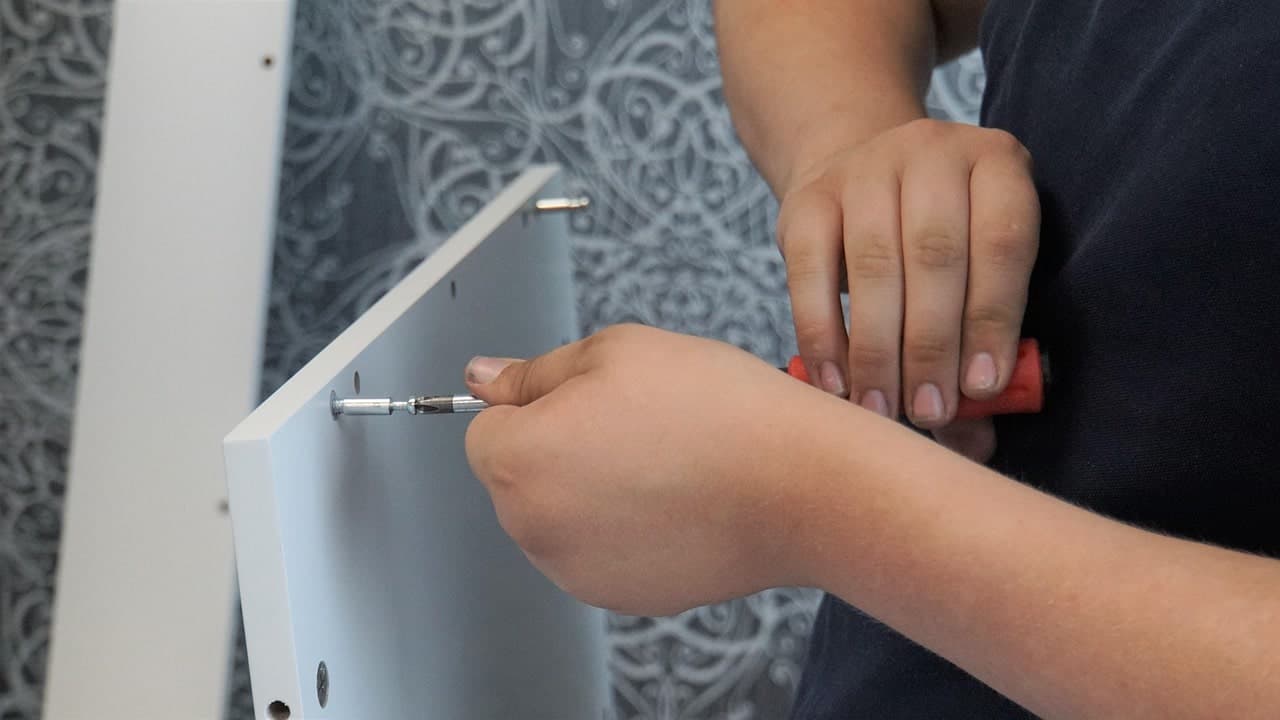
You've just hauled home a massive box from IKEA or had an Amazon delivery drop off your new desk. Now you're staring at a pile of parts, a bag of hardware, and instructions that look like ancient hieroglyphics.
Furniture assembly doesn't have to be a nightmare. Here's how to tackle it like a pro — and when it makes sense to hand it off.
Before You Start
Clear the Space
You need more room than you think. Clear an area at least twice the size of the finished piece:
- Remove rugs or lay down a drop cloth (protects floors and makes finding dropped screws easier)
- Good lighting is essential
- Keep pets and kids out of the area
Inventory Everything
Before touching a single screw:
- Open all packages and bags
- Count every piece against the parts list
- Check for damage
- Identify any missing pieces NOW (not two hours in)
Missing parts? Most manufacturers will ship replacements free — but you need to know before you start.
Gather Your Tools
Most flat-pack furniture comes with basic tools, but they're often cheap and frustrating. Having your own makes a huge difference:
- Phillips head screwdriver (or power drill with screwdriver bit)
- Hammer (rubber mallet is even better)
- Level (your phone has one)
- Allen keys (the included one is usually too small to grip well)
- Pliers (for when things get stuck)
Assembly Tips
Read First, Build Second
I know, nobody wants to read instructions. But:
- Skim through ALL the steps before starting
- Note where you'll need a second person
- Identify pieces that look similar but aren't
- Check for steps that seem out of order
Don't Fully Tighten Until the End
This is the number one tip professionals use:
- Hand-tighten bolts and screws as you go
- Leave everything slightly loose until the piece is fully assembled
- Then go back and tighten everything evenly
Why? It gives you wiggle room to align pieces properly. Tightening too early creates binding and misalignment.
Work on a Soft Surface
Assembling on carpet or a blanket:
- Prevents scratches on finished surfaces
- Keeps small hardware from rolling away
- Reduces noise (your downstairs neighbors will thank you)
Label as You Go
Use painter's tape to label:
- Pieces that look identical but have subtle differences
- Left vs. right components
- Which way is "up" on symmetric pieces
The Two-Person Rule
Some steps really do require two people:
- Lifting heavy pieces
- Holding one piece while attaching another
- Final placement (especially tall bookcases or wardrobes)
Don't risk injury or damage trying to solo something that's meant for two.
Common Problems and Solutions
Stripped Screw Holes
Particleboard is notorious for this. If a screw won't grip:
- Try a slightly longer screw
- Add a wooden toothpick with wood glue to fill the hole
- For critical load-bearing connections, consider replacing with a proper wood screw
Pieces Won't Align
Usually means something earlier is slightly off:
- Go back and loosen the previous few connections
- Realign and retighten in sequence
- Check if a piece is backward or upside down
Missing Hardware
Check the packaging again — small bags often hide in corners or stick to cardboard. If truly missing:
- Most manufacturers have replacement parts hotlines
- Take a matching piece to the hardware store
- A local hardware store can often match screws, bolts, and dowels
Wobbly Finished Product
After assembly:
- Check all connections are fully tightened
- Look for a leg adjuster (many pieces have them)
- Consider adding furniture pads to level on uneven floors
When to Call a Pro
Time vs. Money
How much is your Saturday worth? A desk that takes you 4 hours might take 45 minutes for someone who does it regularly.
Complex Pieces
Some items are genuinely difficult:
- Murphy beds and wall beds
- Large wardrobes and entertainment centers
- Pieces requiring wall anchoring
- Standing desks with motors
- Exercise equipment (especially treadmills)
Volume Jobs
Moving into a new place with multiple pieces to assemble? Having someone knock out 5-6 items in a day might make more sense than spending your entire first week building furniture.
Physical Limitations
No shame in this:
- Heavy lifting required
- Working at floor level for extended periods
- Need to climb ladders
- Tight spaces requiring awkward positions
After Assembly
Secure Tall Furniture
Bookcases, dressers, and wardrobes should be anchored to the wall:
- Tip-over accidents are a real risk, especially with kids
- Most furniture comes with a wall anchor strap
- Takes 5 minutes and could prevent a tragedy
Save the Hardware
Keep leftover screws and parts in a labeled bag:
- Tape it to the back of the furniture
- You'll need them for moves or repairs
Keep Instructions
Store them with the extra hardware:
- Useful for disassembly when moving
- Helpful if something needs repair later
- Some manufacturers require them for warranty claims
The Bottom Line
Furniture assembly is doable for most people with patience and the right approach. But there's no prize for struggling through something that's not enjoyable.
If you'd rather spend your weekend actually using your new furniture instead of building it, we're happy to help. We assemble everything from simple bookshelves to complex office setups.
Need Assembly Help?
We serve Colorado. Call or text for availability — most furniture assembly can be scheduled within a few days.
Check out our full Home Repair Services for other ways we can help around your home.
Related posts:
- Picture Hanging: How to Mount Heavy Items Safely — Another common DIY task
- Closet Organization: Shelving and Storage Solutions — Maximize your new furniture's storage