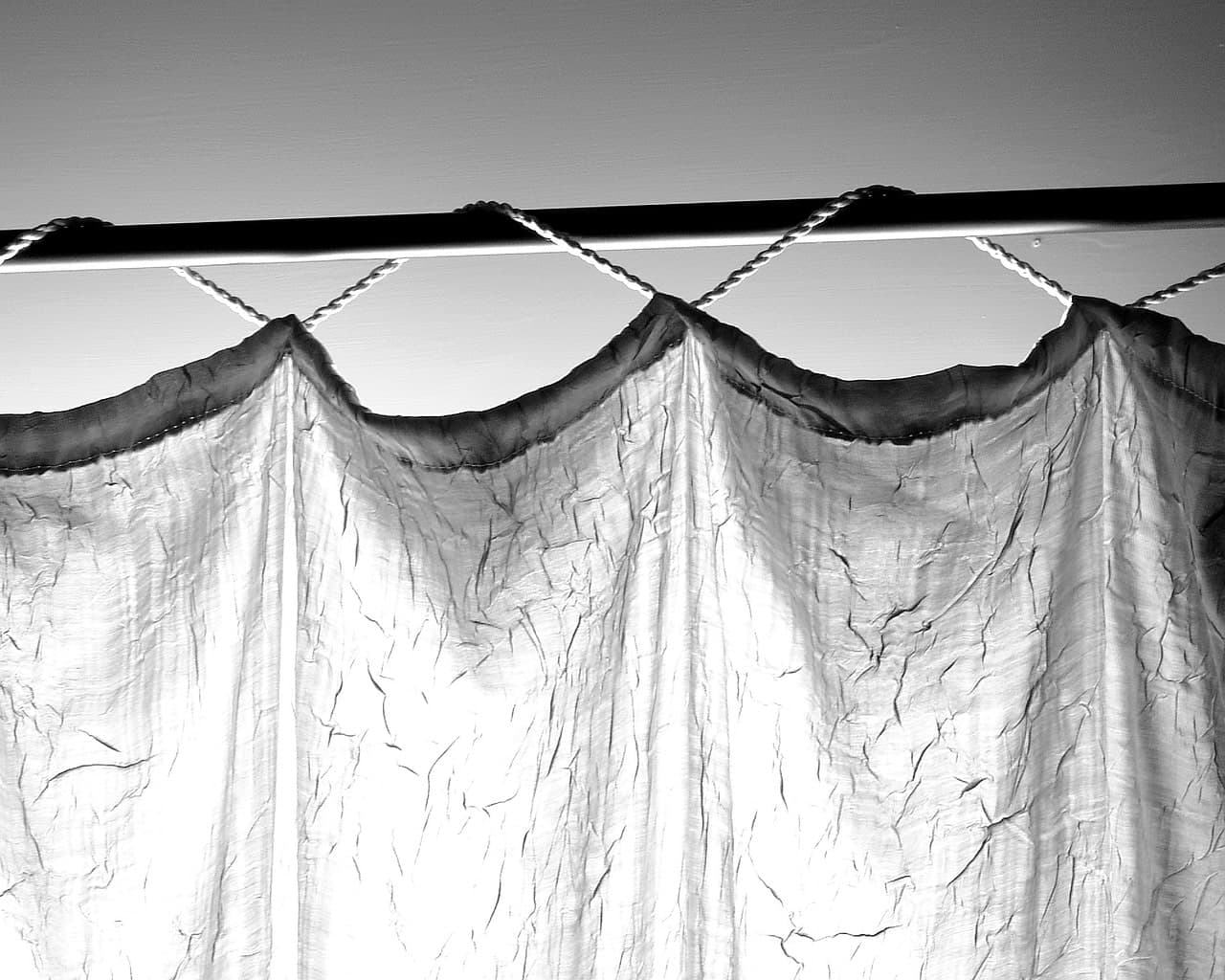
Hanging curtains should be easy. Mount some brackets, slide on a rod, done.
Then why do so many curtain rods end up sagging, pulling out of the wall, or falling down entirely?
Usually it comes down to three things: wrong anchors, wrong placement, or underestimating the weight. Let's fix all of that.
Planning Your Installation
Where to Mount: Height
The old rule of "mount at the window frame" makes rooms look short. Better approach:
Hang high: Mount the rod 4-6 inches above the window frame. This makes ceilings feel taller and windows look larger.
Even higher for drama: Mounting 2/3 of the way between the window top and ceiling creates an elegant look.
Ceiling mount: For the tallest feel, or for floor-to-ceiling curtains.
Where to Mount: Width
Extend the rod beyond the window frame:
- Standard: 3-6 inches past each side
- Better: 6-12 inches past each side
Why? When curtains are open, they stack on the rod ends, not covering the window. More light, windows look wider.
Measuring for Rod Length
Rod length = window width + (2 × extension on each side)
Example: 36" window + 6" on each side = 48" rod
Add a few inches for finials if applicable.
Choosing the Right Hardware
Rod Weight Capacity
Don't underestimate curtain weight:
- Sheer curtains: Light — any rod works
- Cotton/linen: Medium — need decent brackets
- Velvet/heavy drapes: Heavy — need sturdy hardware
- Blackout curtains: Often surprisingly heavy
Bracket Spacing
How many brackets do you need?
- Up to 36" rod: 2 brackets (ends only)
- 36-72" rod: 3 brackets (ends + center)
- Over 72": Bracket every 24-36"
Skimping on brackets = sagging rod.
Rod Material
Hollow metal: Light and cheap, but bends under weight
Solid wood: Beautiful but heavy
Solid metal: Strong and lasting
Tension rods: No mounting needed, but only for light curtains in narrow openings
Wall Anchors for Curtain Rods
Into Studs (Best Option)
If your bracket placement hits a stud:
- Use wood screws (2-2.5" long)
- Most secure option
- No anchors needed
Finding studs: See our picture hanging guide for detailed techniques.
Into Drywall (Most Common)
When you can't hit a stud (which is often):
Light curtains (under 5 lbs per panel):
- Plastic expansion anchors can work
- Self-drilling anchors are better
Medium curtains:
- Toggle bolts recommended
- Snap toggle anchors even better
Heavy curtains:
- Toggle bolts into both brackets
- Consider adding a center bracket even if rod length doesn't require it
Common Anchor Mistakes
Using the included anchors: Those plastic anchors in the hardware pack are garbage for anything but the lightest sheers.
Wrong size drill bit: Match the bit to the anchor. Too big = anchor spins. Too small = anchor won't seat.
Over-tightening: Toggle bolts can pull through drywall if over-torqued.
The Installation Process
Tools You'll Need
- Tape measure
- Level (essential!)
- Pencil
- Drill
- Appropriate drill bits
- Screwdriver
- Step ladder
- Optional: laser level for perfect alignment
Step-by-Step
1. Mark your height
- Measure up from the window frame
- Make a light pencil mark for the bracket bottom
2. Mark your width
- Measure out from window edges
- Mark bracket positions
3. Check for level
- Use a level between your marks
- Adjust as needed
- Don't trust the window frame — many aren't level
4. Mark screw holes
- Hold bracket in position
- Mark through the screw holes
- Double-check level
5. Drill and anchor
- Drill pilot holes
- Install anchors (if not into stud)
- Attach brackets
6. Mount the rod
- Slide curtains onto rod first
- Set rod in brackets
- Secure any locking mechanisms
7. Final check
- Step back and check level
- Adjust if needed
- Test by gently tugging curtains
Common Problems and Fixes
Sagging Rod
Causes:
- Curtains too heavy for rod
- Not enough brackets
- Hollow rod bending
- Brackets too far apart
Fixes:
- Add a center bracket
- Replace with sturdier rod
- Upgrade brackets
Bracket Pulling Away
Causes:
- Wrong anchors for wall type
- Anchors in damaged drywall
- Overloaded with heavy curtains
Fixes:
- Move to a stud if possible
- Use proper toggle bolts
- Repair drywall before reinstalling
Not Level
Prevention is better than fixing. But if installed crooked:
- Loosen one bracket
- Adjust up or down
- Re-drill if needed (fill old holes first)
- Use a level this time
Finials Falling Off
Cause: Set screw not tightened or missing
Fix: Tighten set screw. If stripped, use a tiny dab of threadlock.
Special Situations
Bay Windows
Bay windows require:
- Flexible track systems, or
- Multiple rods with corner connectors, or
- Custom bent rods
Standard straight rods don't work well.
Ceiling Mount
Some brackets are designed for ceiling mounting:
- Find ceiling joists for best support
- Toggle bolts in drywall ceiling
- May need longer screws
Plaster Walls
Old plaster over lath requires:
- Drill slowly to avoid cracking
- Use masonry bit if necessary
- Toggle bolts often work best
- Be prepared for hard spots and soft spots
Over Tile
In bathrooms with tile around windows:
- Use carbide or diamond bit
- Drill slowly without hammer action
- Switch to regular bit once through tile
See our bathroom fixtures guide for tile drilling tips.
Double Rods and Layered Curtains
Double Rod Brackets
Allow you to hang two layers:
- Sheer on the inside rod
- Drapes on the outside rod
- Single mounting point
Considerations:
- Heavier total weight — better anchors needed
- Make sure bracket fits your chosen rods
- Inner rod should be shorter (for clearance)
Curtains Plus Blinds
If mounting a rod over existing blinds:
- Allow clearance for blind operation
- Don't block the blind mounting
- Consider outside-mount rod brackets
When to Call a Pro
DIY-Friendly
- Standard curtain rods
- Normal ceiling height
- Drywall walls
- Lightweight to medium curtains
Consider Help For
- Very high windows (tall ladders)
- Extremely heavy drapes
- Multiple windows (consistency matters)
- Bay windows or unusual shapes
- Plaster or difficult wall materials
- Damaged drywall that needs repair first
The Bottom Line
The secret to curtain rods that don't sag or fall: proper anchors, enough brackets, and taking time to level. Spend an extra 10 minutes on installation, and you won't be re-doing it in six months.
And don't use those cheap plastic anchors that came in the package.
Need Rod Installation?
We install curtain rods, blinds, and drapery hardware throughout Colorado. Single window or whole house — proper mounting and perfect level every time.
Check out our full Home Repair Services or see our Wall Mounting & Hanging service for details.
Related posts:
- Picture Hanging: How to Mount Heavy Items Safely — Detailed anchor guide
- Bathroom Fixtures: Installation Tips and Common Mistakes — Wall mounting in bathrooms