Bathroom fixtures seem straightforward. Drill a couple holes, put in some screws, done. Right?
Then the towel bar pulls out of the wall the first time someone actually uses it. Or you crack a tile. Or the toilet paper holder is at knee height because you didn't think about ergonomics.
Let's avoid those problems.
Before You Drill
Check What's Behind the Wall
Bathroom walls can be:
- Drywall — Easy to work with
- Greenboard — Moisture-resistant drywall, similar approach
- Cement board — Common around tubs, needs special anchors
- Tile — Requires careful drilling technique
Also check for:
- Studs (use a stud finder)
- Plumbing (common near fixtures)
- Electrical (light switches, outlets nearby = wires in wall)
Measure Twice, Drill Once
Standard heights (from floor):
- Towel bar: 48" is standard, but 42"-48" works for most people
- Toilet paper holder: 26" to the center, 8-12" in front of toilet
- Robe hook: 65"-70" (reachable when wet)
- Shower shelf: Within arm's reach of the shower head
These aren't rules — adjust for the actual people using the bathroom.
Drilling Into Tile
The Challenge
Tiles are hard and brittle. Standard drill bits skip across the surface, and too much pressure cracks the tile.
The Technique
- Mark the spot with painter's tape (helps prevent skipping)
- Use a carbide or diamond-tipped drill bit — standard bits won't work
- Start slow — let the bit do the work
- No hammer drill — the impact will crack tile
- Keep it cool — drip water on the bit or take breaks
- Switch bits once through tile — use a masonry bit for cement board behind
If You Crack a Tile
It happens. Options:
- Small crack: Fill with color-matched caulk
- Large crack: Replace the tile (if you have extras)
- Strategic fixture placement: Sometimes you can cover minor damage
Types of Wall Anchors
Plastic Expansion Anchors
The ones that come in the box:
- Best for: Light loads on drywall
- Not good for: Anything people pull on (towel bars!)
- Weight limit: 10-20 lbs
Toggle Bolts
The best choice for hollow walls:
- Best for: Heavy loads, high-use items
- Works on: Drywall, plaster
- Weight limit: 50+ lbs
- Downside: Large hole, can't reposition easily
Self-Drilling Anchors (E-Z Ancor style)
A good middle ground:
- Best for: Medium loads on drywall
- Easy: No pre-drilling needed
- Weight limit: 25-50 lbs
Molly Bolts
Permanent and strong:
- Best for: Heavy items where you're sure of placement
- Weight limit: 50+ lbs
- Downside: Difficult to remove
Into a Stud
Always the best option when available:
- Weight limit: Limited only by the fixture itself
- Use a stud finder to locate
- Use screws long enough to bite 1" into the stud
Common Fixture Installations
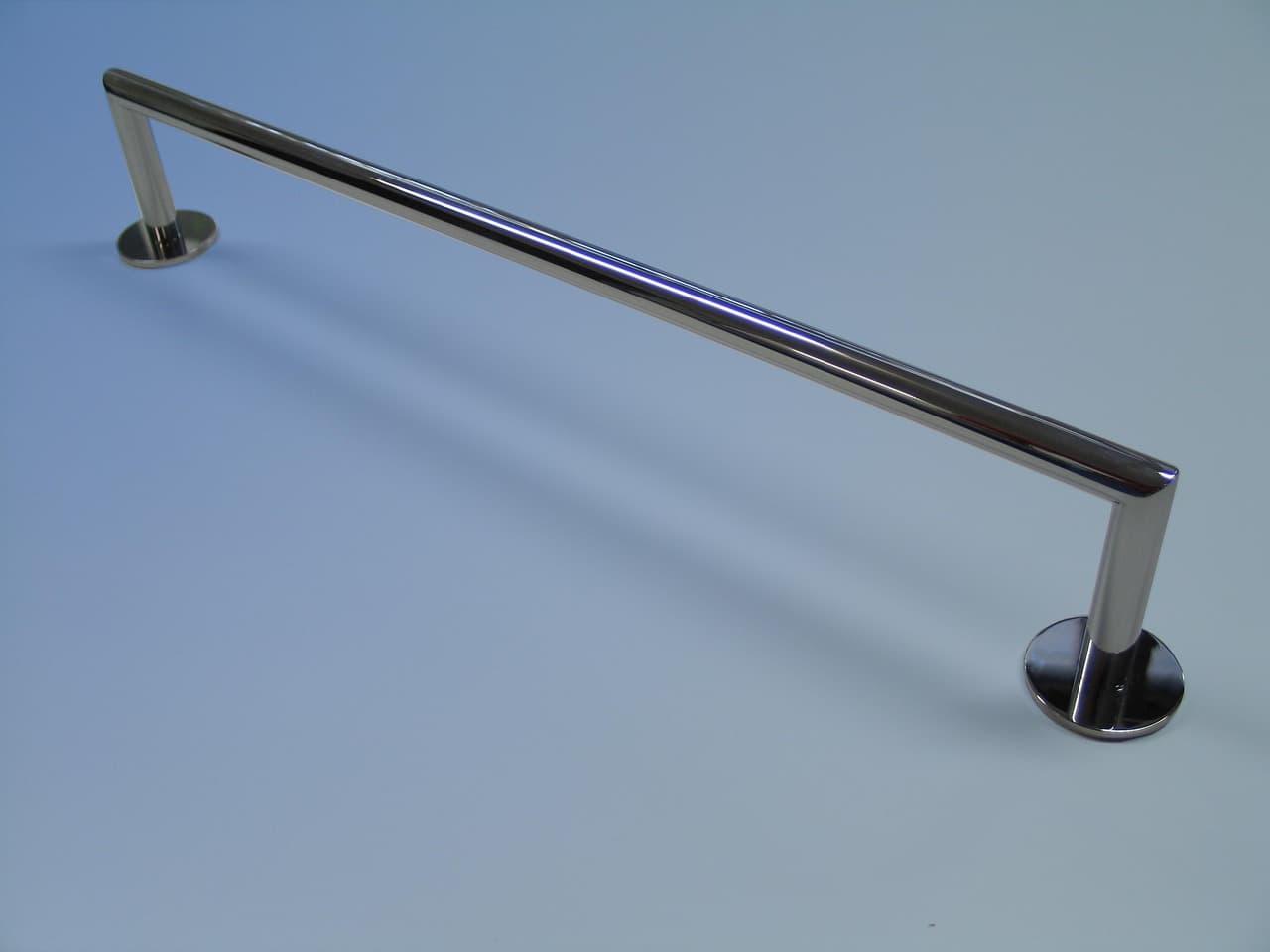
Towel Bars
Why they fail: People lean on them, hang wet towels that add weight, or use them as grab bars.
The right way:
- Locate at least one stud if possible
- Use toggle bolts or heavy-duty anchors for the other side
- Consider the weight of wet towels plus the inevitable "leaning"
- If it's near a tub, people WILL use it as a grab bar — anchor accordingly
Toilet Paper Holders
Common mistakes:
- Too far from the toilet (awkward reach)
- Too high or low
- Not accounting for the roll size
The right way:
- Sit on the toilet and reach naturally — mark that spot
- 26" from floor and 8-12" in front of toilet is typical
- Use appropriate anchors for your wall type
- If recessed, ensure the recess is deep enough for jumbo rolls
Shower Heads
Simple replacement:
- Turn off water (or it just won't spray)
- Unscrew old head counterclockwise
- Clean threads on the pipe
- Wrap with Teflon tape (3-4 wraps, clockwise)
- Hand-tighten new head, then 1/4 turn with pliers
- Don't overtighten — you'll crack the fitting
Handheld shower head:
- Same process, but you're installing a diverter
- Make sure the holder bracket is at a reachable height
- Consider where the hose will hang when not in use
Mirrors
Bathroom mirrors are often heavier than they look.
For framed mirrors:
- Use appropriate hangers rated for the weight
- D-rings and wire work for smaller mirrors
- French cleats for heavy mirrors
- Into studs whenever possible
For frameless mirrors (glue-up):
- Mirror mastic (not regular adhesive)
- Mirror clips at the bottom as backup
- Let cure fully before removing support
Plumbing Fixes (The Simple Ones)
Running Toilet
Usually the flapper or fill valve:
Flapper:
- Turn off water supply
- Flush to empty tank
- Unhook old flapper
- Install new one (universal flappers fit most toilets)
- Turn water on, check for seal
Fill Valve:
- Turn off water, flush, sponge out remaining water
- Disconnect supply line
- Unscrew old valve
- Install new valve (adjust height per instructions)
- Reconnect supply, turn on water
Dripping Faucet
Often just a worn washer or cartridge:
- Two-handle faucet: Usually a washer in the handle
- Single-handle: Usually a cartridge (look up your model)
- Turn off water under the sink first!
- Take the old part to the hardware store to match
When to Stop and Call a Plumber
DIY-Friendly
- Toilet flapper and fill valve
- Shower head replacement
- Aerator cleaning/replacement
- P-trap cleaning (under sink)
- Basic fixture mounting
Call a Pro
- Anything behind the wall
- Moving plumbing locations
- Low water pressure throughout
- Persistent leaks
- Installing new fixtures where none existed
The Bottom Line
Bathroom fixtures are a great entry point for home repairs. Start with the simple stuff — a new shower head, a toilet paper holder — and work up from there. Just use the right anchors and take your time.
And remember: if it's near a tub or shower, assume someone will lean on it or grab it. Anchor like your safety depends on it.
Need Installation Help?
We install bathroom fixtures throughout Colorado — from simple towel bars to complete bathroom accessory packages. Call or text for availability.
Check out our full Home Repair Services or see our Bathroom Fixtures service for details.
Related posts:
- Picture Hanging: How to Mount Heavy Items Safely — Similar wall anchor techniques
- Garbage Disposal Replacement: When and How — Another kitchen/bath project